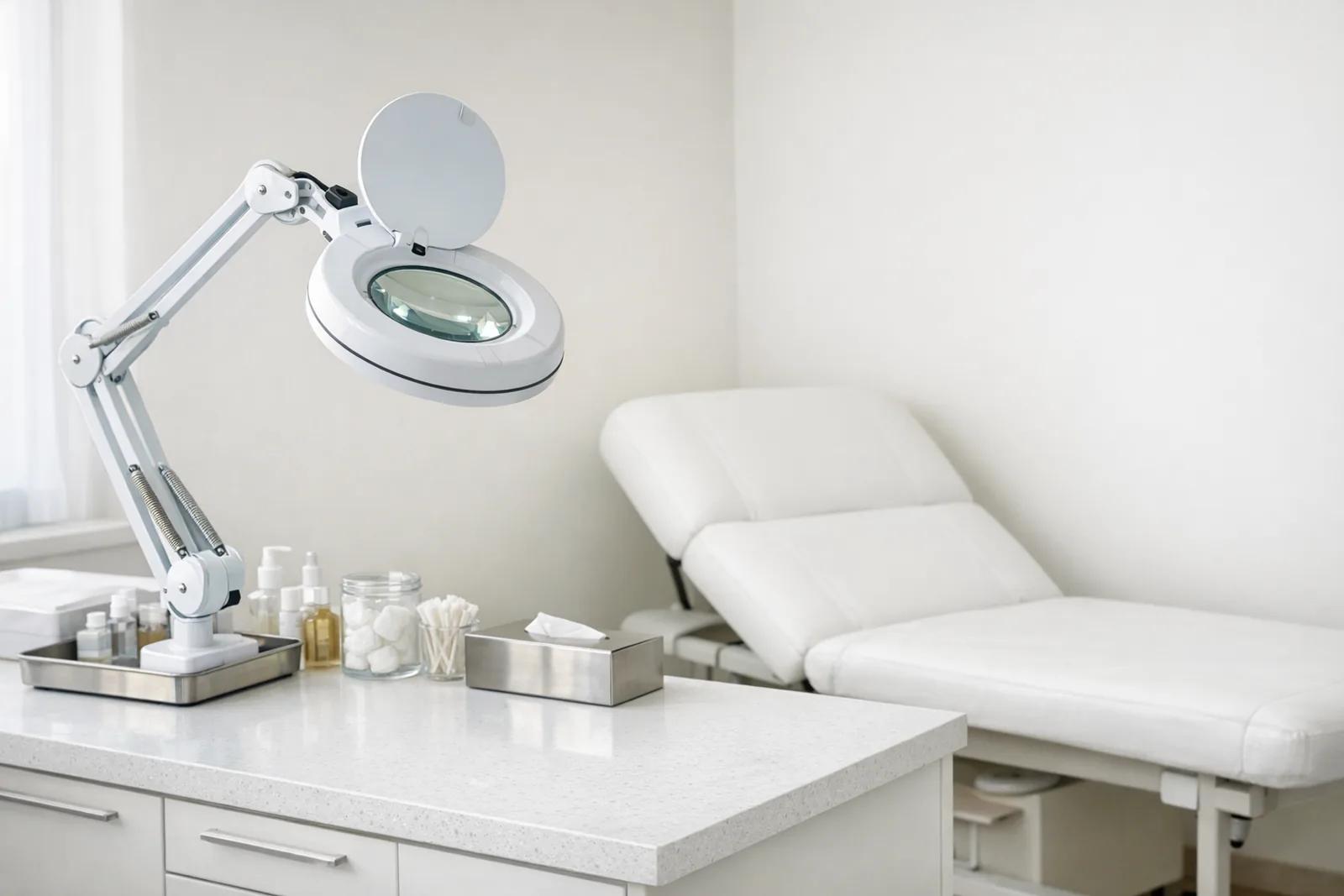

Same-Day Skin & Soft-Tissue Care

Skin Conditions and Infections in Elstree

Same-day private assessment for cellulitis, abscesses, rashes, infected skin, eczema flares, and ingrown toenails. Antibiotic decisions per NICE NG141, on-site drainage of suitable abscesses, and advice on treatment that actually works. Adults and children aged 1 and over.

Adult consultation £110 · child consultation £95 (ages 1–15) · drainage, dressings, and prescriptions charged additionally. For suspected sepsis, rapidly spreading severe infection, or non-blanching rash — call 999or attend A&E.

When We Can Help

When Same-Day Skin Care Helps

Skin infections progress quickly — same-day assessment matters. Common presentations:

Cellulitis (red, hot, swollen skin)

Spreading skin infection — assessment, antibiotic decision per NICE NG141, marking the edge to track progress, and clear advice on what should bring you back urgently.

Abscess or boil

Painful localised collection — examination and incision-and-drainage on site for suitable cases, antibiotic decision based on size, location, and systemic signs.

Eczema flare or contact dermatitis

Itchy, inflamed, weeping skin not responding to your usual treatment — examination, prescription-strength topical treatment, and advice on triggers.

Suspected skin infection from a wound

An older cut or scratch turning red, warm, painful, or discharging — assessment and antibiotic decision per BNF guidance.

Childhood rashes

Common viral rashes, hand-foot-and-mouth, chickenpox — examination, reassurance, and screening for the rashes that need urgent attention.

Ingrown toenail or paronychia

Painful, red toenail or fingernail with surrounding infection — assessment, drainage where indicated, antibiotic if needed, advice on recurrence prevention.

Important Safety Information

When You Should Go to A&E, Not Us

Some skin infections progress to sepsis. Call 999 or attend A&E directly if any of these apply:

Red flags — A&E directly:

  • Spreading red lines extending from the infection site (suspected lymphangitis or sepsis)
  • High fever, shaking chills, feeling systemically unwell with skin infection
  • Rapidly spreading severe infection (over hours, not days)
  • Severe pain disproportionate to skin appearance — possible deeper infection (necrotising fasciitis)
  • Large abscess requiring theatre / general anaesthesia for drainage
  • Non-blanching rash (doesn't fade when pressed) — possible meningococcal infection
  • Suspected drug reaction with widespread rash and systemic symptoms
  • Severely immunocompromised patient (chemotherapy, transplant, advanced HIV) with any skin infection

Cellulitis treatment follows NICE NG141. Antibiotic decisions follow BNF guidance. If you’re unsure, call NHS 111.

Call 999

Your Visit

What Happens at Your Visit

History and examination

When the symptoms started, how they’ve changed, what you’ve tried, and your medical history (especially diabetes, immunocompromise, recent procedures or wounds). Examination of the affected area for size, depth, fluctuance, lymphadenopathy, and systemic signs.

Diagnosis and decisions

Bacterial cellulitis vs viral rash vs fungal vs allergic vs inflammatory — clinical diagnosis informs treatment. For cellulitis we mark the edge with a pen so you can monitor for spread.

Treatment plan

  • Examination and diagnosis: Clinical examination of the affected area, photography for the medical record where consent is given, and decision on whether the presentation is bacterial, viral, fungal, allergic, or inflammatory.
  • Antibiotics where clinically justified: For confirmed bacterial skin infections (cellulitis, infected abscess, infected wound), antibiotic prescribing follows NICE NG141 and local antimicrobial stewardship principles. Not all skin redness needs antibiotics — we explain the decision.
  • Drainage on site (suitable abscesses): Simple abscesses can be drained under local anaesthetic on site — incision, drainage, and packing. We'll discuss whether your presentation suits in-clinic drainage or needs onward referral.
  • Onward referral: Suspected sepsis, large or deep abscesses, suspected necrotising soft tissue infection — immediate transfer to A&E. Chronic dermatology referrals (recurrent eczema, suspected skin cancer) arranged via Centennial's specialist consultants.

Transparent Pricing

What It Costs and How Long It Takes

Consultation fee: £110 adult / £95 child — covers assessment.

Abscess drainage (if performed on site): drainage materials, local anaesthetic, dressings — charged at cost.

Antibiotic prescription (if needed): private prescription via on-site pharmacy.

Time on site: 30–45 minutes for routine assessment, longer if drainage is performed.

Insurance: detailed receipts provided.

After Your Visit

Aftercare and Follow-Up

  • Wound care and dressing instructions if drainage was performed
  • Antibiotic course details and side effects to watch for, if prescribed
  • For cellulitis: instructions on monitoring the marked edge, with a follow-up review in 48-72 hours
  • Trigger-avoidance and skin-care advice for eczema or contact dermatitis
  • Red-flag symptoms: spreading redness past the marked edge, fever, severe pain, feeling unwell, red lines from the infection — same-day return or A&E

Common Questions

Common Questions about Skin Care

Will you drain an abscess?

For simple, accessible abscesses — yes. We perform incision and drainage under local anaesthetic on site. For larger, deeper, or anatomically difficult abscesses (face, hand spaces, breast), we'll often recommend onward referral to general or specialist surgery. The doctor will assess and explain what's right for your specific case.

Do I need IV antibiotics for cellulitis?

Most cellulitis responds to oral antibiotics, taken for 5-7 days. IV antibiotics are reserved for severe or rapidly progressing cellulitis, or when oral treatment has failed. If your cellulitis is severe enough to need IV treatment, we'd refer you straight to hospital, where the assessment and treatment are best delivered.

How do I know if a skin infection is spreading?

We mark the edge of the infection with a pen during your visit and ask you to monitor for spread beyond that line. Other signs of worsening: increased pain, swelling, fever, new red streaks toward your trunk or armpit/groin, feeling generally unwell. If any of these develop, that's a same-day return visit or A&E call.

What about ingrown toenails?

We assess and treat the acute infection — local drainage if needed, antibiotic decision, dressing, and pain management. For recurrent ingrown toenails that need partial nail removal as a permanent fix, we'd usually refer to a podiatrist or surgeon — the in-clinic acute treatment buys you time and resolves the immediate infection.

Can you remove cysts or other lesions?

Acute infected cysts (incised and drained) — yes. Elective removal of stable cysts, moles, or skin lesions is a planned procedure best done in a dermatology or minor surgery clinic, not urgent care. We can refer you via Centennial for that, but it's not an urgent care service.

How much for minor skin surgery?

Adult consultation £110 / child £95 covers the assessment. Drainage materials, dressings, and any prescription medication are charged additionally at cost. The doctor will explain the total before proceeding so there are no surprises.

Walk In or Book Online

Same-Day Skin Care

GMC-registered emergency medicine doctors. CQC registered, part of Centennial Medical Care.

Open seven days: Mon–Fri 8am–8pm · Sat–Sun 9am–6pm

Centennial Park, Centennial Ave, Elstree, Borehamwood WD6 3FG · Free parking

Last reviewed: 5 May 2026

Need urgent care? We’re here to help.

Walk in 7 days a week or book online. Payment taken securely at the time of booking.

BookCallDirections