
Same-Day Joint Injury Care

Sprain, Strain, and Joint Injury Treatment in Elstree

Same-day assessment and treatment for sprains, strains, and joint injuries by experienced emergency medicine doctors. Ottawa Rules applied for evidence-based X-ray decisions, on-site digital imaging when indicated, strapping and splinting on site. Adults and children aged 1 and over.

Adult consultation £110 · child consultation £95 · X-ray fee additional. For severe deformity, suspected hip fracture, or any limb without sensation/circulation — call 999or attend A&E.

When We Can Help

When Same-Day Joint Injury Care Helps

Most sprains and joint injuries don’t need A&E but do benefit from prompt clinical assessment — especially to rule out fracture and to get the right strapping plus a graded recovery plan. Common presentations:

Twisted ankle or rolled foot

After a misstep, sport, or trip — pain, swelling, difficulty bearing weight. Ottawa Ankle Rules guide whether X-ray is clinically warranted.

Knee twist or impact

Pain after a turn, fall, or contact injury. Ottawa Knee Rule applied to identify presentations needing imaging vs conservative management.

Wrist or hand strain

After a fall on an outstretched hand, repetitive strain, or grip injury. Examination and imaging if indicated.

Finger or thumb injury

Jammed finger, ligament strain, suspected mallet finger — splinting and follow-up plan.

Back, neck, or shoulder strain

Acute pain after lifting, awkward movement, or impact — assessment, pain management, and red-flag screening.

Children's twists and sprains (1+)

Limp after a fall, refusing to weight-bear, painful joint — paediatric assessment with child-appropriate imaging if needed.

We apply the Ottawa Ankle and Foot Rules and Ottawa Knee Rule per NICE NG38 — evidence-based decision tools that identify which presentations clinically warrant X-ray vs conservative management. If imaging is needed, see our private X-ray page for the full pathway.

Important Safety Information

When You Should Go to A&E, Not Us

Some joint or limb injuries need hospital-level emergency care, not private urgent care. Call 999 or attend A&E directly if any of these apply:

Red flags — A&E directly:

  • Severe deformity at the joint or limb at an unnatural angle
  • Inability to bear any weight, particularly in elderly patients after a fall (suspected hip fracture)
  • Numbness, tingling, severe pallor, or coldness below the injury — possible neurovascular compromise
  • Suspected serious ligament rupture (loud pop at injury, immediate severe swelling, gross instability)
  • Significant force mechanism — high-speed road accident, fall from height, crush injury
  • Severe back or neck pain after trauma, with any limb numbness, tingling, or weakness
  • Open wound over the injury (skin broken with bone potentially involved)

If you’re unsure, call NHS 111 for free clinical advice.

Call 999

Your Visit

What Happens at Your Visit

Examination

History of the injury (mechanism, time, what you've done since), examination of the joint or limb for swelling, deformity, range of motion, neurovascular status, and ligament stability testing.

Imaging if indicated

If Ottawa Rules or clinical examination point to fracture, on-site digital X-ray with same-visit reading by the emergency medicine doctor. No separate referral, no waiting days for radiology.

Treatment same visit

  • Sprain or strain (no fracture): Examination plus PRICE / POLICE protocol guidance — Protection, Optimal Loading, Ice, Compression, Elevation. Strapping or splinting on site, graded mobilisation plan, and physio referral via Centennial if recovery looks slow.
  • Suspected fracture identified: On-site digital X-ray performed and read same visit. If fracture confirmed, splinting or simple casting and a follow-up plan. See also our X-ray for suspected fractures page for full detail.
  • Ligament or tendon injury suspected: Initial stabilisation, pain management, and onward referral to Centennial's orthopaedic consultants for MRI and specialist review — arranged during your visit, no external letter needed.
  • Mechanical or unstable joint injury: Stabilise on site, pain-manage, and immediate transfer or referral to the appropriate specialist or A&E if hospital-level care is needed.

Transparent Pricing

What It Costs and How Long It Takes

Consultation fee: £110 adult / £95 child (1–15) — covers examination and assessment.

X-ray fee (if needed): additional, charged separately. Ottawa Rules guide whether imaging is clinically indicated.

Strapping, splinting, walking aids: charged at cost where applicable.

Time on site: typically 30–60 minutes for a sprain assessment, 60–90 if X-ray and treatment are needed.

Insurance: detailed receipts provided for submission.

After Your Visit

Aftercare and Follow-Up

You leave with a written discharge summary including:

  • Diagnosis and treatment provided on the day
  • PRICE / POLICE protocol guidance for the first 48-72 hours
  • Graded return-to-activity plan — when to start gentle weight-bearing, when to add resistance
  • Physiotherapy referral (Centennial or your provider of choice) if needed
  • Specific follow-up timeframe — typically 7-10 days for sprain review, sooner if symptoms worsen
  • Red-flag symptoms: increasing pain, numbness/tingling, fingers or toes pale or cold, fever, or wound discharge if there's an open injury

Common Questions

Common Questions about Sprain and Joint Injury Care

Do I need an X-ray for a sprain?

Not always. We apply the Ottawa Ankle, Foot, and Knee Rules — evidence-based clinical decision tools that identify which presentations actually need imaging. Many sprains are diagnosed and managed without X-ray. When an X-ray is clinically warranted, we do it on site in the same visit and you get the result during your consultation.

How long until I can walk on it?

Depends on the injury. Mild ankle sprains typically improve over 1-2 weeks; more significant ligament injuries can take 6-8 weeks. We'll give you a graded return-to-activity plan based on what we find — when to start gentle weight-bearing, when to add resistance, when to return to sport.

Can you provide crutches or a splint?

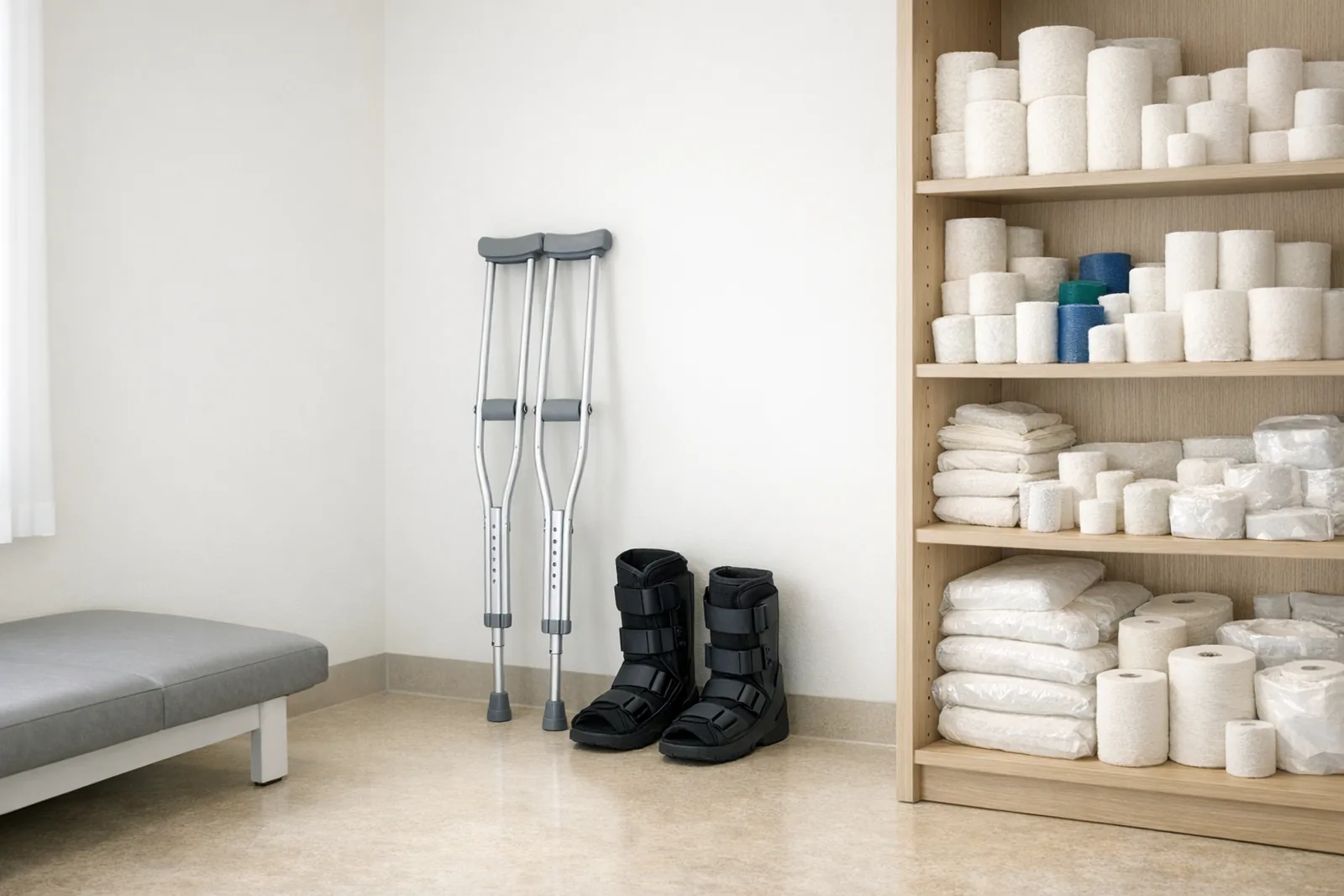
Yes, where clinically indicated. We carry strapping, simple splints, and walking aids on site. For complex orthopaedic appliances or specialist braces, we'll prescribe and arrange supply as part of your treatment plan.

Should I see a physiotherapist after?

Often yes — particularly for ankle and knee injuries where strength, balance, and proprioception need rebuilding to prevent re-injury. We can refer you to Centennial Medical's physiotherapy team or another provider of your choice. Your discharge letter will outline what physio should focus on.

What about hand and finger injuries?

Common presentations include jammed fingers, suspected mallet finger, thumb ligament sprains, and wrist strains. Same approach — examination, X-ray if clinically indicated, splinting, and follow-up plan. Some hand injuries (suspected tendon rupture, scaphoid fracture) need specialist hand-surgeon review, which we arrange via Centennial.

Can you assess my child's twisted ankle?

Yes — children aged 1 and over. Children's joint injuries follow similar principles to adults but with paediatric-specific examination considerations and child-appropriate X-ray protocols where imaging is needed. Most children's sprains heal quickly, but it's worth ruling out fractures (which present differently in growing bones).

Walk In or Book Online

Same-Day Joint Injury Treatment

GMC-registered emergency medicine doctors. CQC registered, part of Centennial Medical Care.

Open seven days: Mon–Fri 8am–8pm · Sat–Sun 9am–6pm

Centennial Park, Centennial Ave, Elstree, Borehamwood WD6 3FG · Free parking

Last reviewed: 5 May 2026

Need urgent care? We’re here to help.

Walk in 7 days a week or book online. Payment taken securely at the time of booking.

BookCallDirections